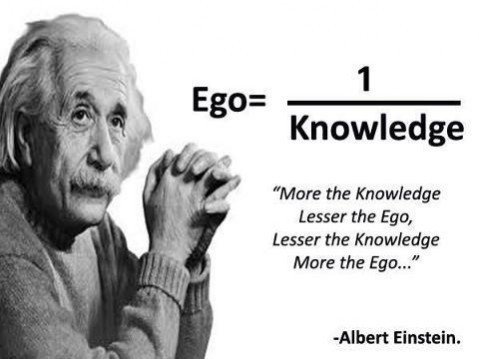
Many organizations prize leaders with an attitude of superiority manifested in an overbearing manner or in presumptuous claims or assumptions.
Typically the quality or state of being unassuming or moderate in the estimation of one’s abilities (i.e., humility) is considered negatively. When acquiring an organizational leader they need to be the best.
Perception versus Reality
While we perceive the need for a leader to be not only highly skilled and capable but to project the right image, that is not necessarily the case.
One definition of a leader is a person who holds a dominant or superior position within their field, and is able to exercise a high degree of control or influence over others.
This often get misinterpreted as needing some who is superior. Arrogant people come of as superior, so they fit this interpretation of what a leader is.
In fact the key to effective leadership is the ability to to exercise a high degree of control or influence over others. Those with the ability to display humility tend to earn their respect rather than force it (through arrogance).
Earned Power
Power that is earned, as opposed to granted or usurped, usually leads to better results. Intuitively the militarily leader who commands the troops to charge because they say so (possibly to their death, as in the charge of the light brigade) is far more likely to fail than the leader who fights in front or at least along side the troops (i.e., setting the bar)
So build your earned power base, show a little humility.