Identity Empathy

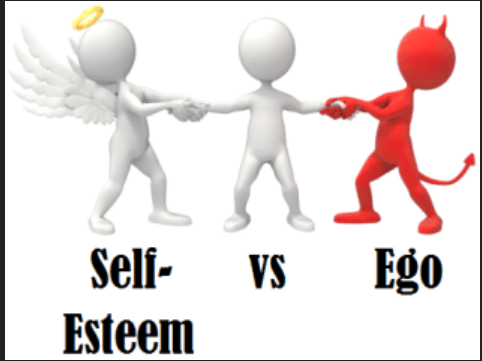
Everyone has an ego which basically defines our sense of self-esteem or self-importance.  Ego originates the part of the mind that mediates between the conscious and the unconscious and is responsible for reality testing and a sense of personal identity.

Whether working or socializing with others, our ability to understand and share how others define themselves (i.e., their ego) is a critical aspect of positive interpersonal interactions.

Gaining Consensus

Being empathetic to others requires understanding and reacting in synergy with their ego. This works to enable  other  people, through a combination of both their conscious and unconscious thoughts and  feelings, to naturally feel they  have been fairly recognized.

This creates a belief you appreciate them even in cases of strong disagreement and provides a powerful base for collaboration even in cases of strong disagreement.

Respect can open a lot of doors even in the face of dissension.  False respect is usually quickly identified by others.  Sincerity is key and by taking the time and effort to understand  another (i.e., practicing empathy) and behave accordingly your sincerity will be accepted.

Recognition

Recognition does not have to be praiseworthy or even founded on agreement.  However to be effective it needs to be clearly communicated whether verbally or through action (or both).

Acknowledging another’s worth speaks directly to their ego and even if your acknowledgement does not align with their position just letting them know you believe in them and understand their value leads to lasting high quality results ( this belief must be recognized as true or it will cause more damage than anything else).
I am important, Not!

One of the a leaders greatest failures is a lack of humility.  Often the trappings of leadership, things like large offices, special assistants and inaccessibility, send the message “I am special”

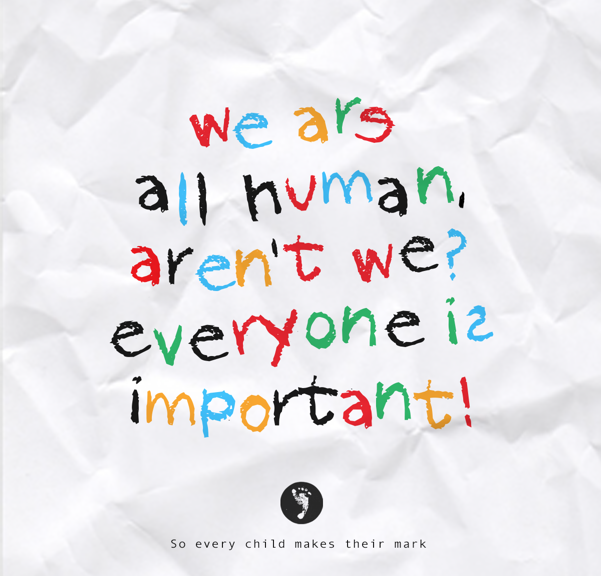
A key to building a strong follower-ship through collaboration is to behave in a way that clearly proves you believe everyone is important, equally so.

  Check with my Assistant

I find nothing more demeaning than being asked to check with an assistant for time to talk to someone who is so much more important than you are they require assistance to control their access.

Great leaders encourage interactions with everyone.  They do not hold their positional importance in high esteem but rather value their followers more.

After all without followers you cannot be a leader.  You can definitely lead effectively without large offices, special perks and  an army of personal assistants, although admittedly these things are nice to have.

Humility Wins

The key is to be consistently humble in everything you do and not lord your greatness over others through boastful behaviour. You must both believe and act like your time is not more important than that of someone else.

The historic trappings of leadership, think emperors and other monarchs, do seem to have benefit from the leaders perspective, not at all from the followers.

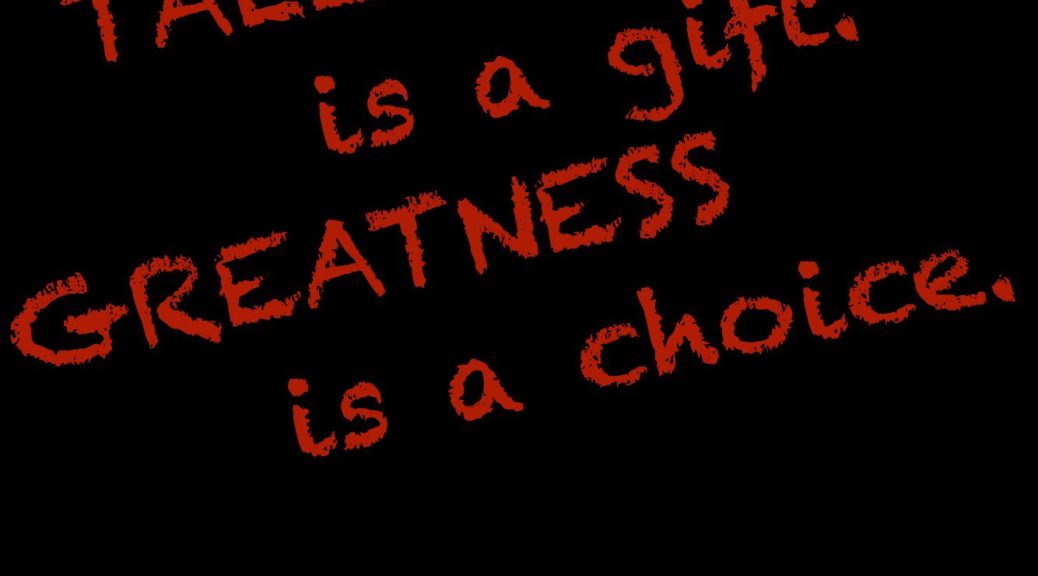
When you are charged with facilitating everyone to become great recognizing and drawing out their personal greatness requires you to remain on their level.  They must feel and return your empathy to receive the gift of greatness it is yours to grant them.


Don’t Tell Me What to Do!

While many of us will not voice it explicitly, our inner voice often screams “Don’t tell me what to do”.  This stems from basic human nature,  that each person is unique and we are proud of it.

Our individuality is at the core of our humanity.  The key to effectively expressing your individuality is doing so in the context of society (i.e, without offending others).

Managing your Individuality

When others give you the gift of direction, they tell you what to do, the best approach is to digest before reacting.  Often the things being asked of you are worth doing.

Reacting quickly and negatively can just set you in a bad stead.  If the direction is inappropriate or frustrating take some time to let it percolate before acting in a way that might make you feel better but won’t necessarily lead to resolution.

That is a solution acceptable to all parties.

Attitude

A key to flying straight and true so you reach your destination without unpleasant incident is attitude.  We live in a world populated with millions of other humans.

It is in all our best interest to get a long.  Let your attitude, and associated behaviour, reflect your understanding that everyone is important.

If someone is overly directive in their interactions with you, or even demeaning remember not everyone understands the value of not telling others what to do.

Take a deep breathe and figure out a way to proceed which will meet their needs and yours.  ( They are important but so are you.).

Born with It

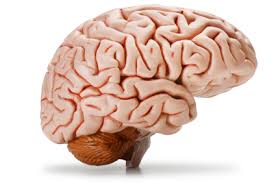
Despite all the years of intensive study humankind’s understanding of how our brains work is still largely a mystery.

That is while we continue to uncover function centres within the brain, the basic mechanism of why and how reasoning (processing) and memory (storage) work is a black box.

Matrix Learning

In the movie “The Matrix” the human and computer brain functions were integrated.    Computers were used to greatly enhance our learning capabilities.

One character (Trinity) learned how to fly a helicopter in seconds just by connecting to the matrix.  The concept of the power of our brains is clear to all.

The accomplishments of focused thought has changed our world in so many ways improving and enhancing our lives individually and collectively, yet,  we still have not figured out how to harness the brain to its maximum.

Programmed from Birth

Our brains have unconscious thoughts and associated actions which take effect from the day we are born or perhaps even earlier.

Breathing, hunger and eating are examples of these pre-programmed functions which kick in automatically and require focused conscious thought to override, something we generally don’t do.

These pre- programmed basic unconscious functions which include some built in beliefs, are universal and except in the rare case of some birth defect everyone has them.

Uncovering the Secrets

Our basic brain research needs to focus on the pre-learned thoughts as they contain the fundamental architecture of how thinking works. The electrical impulses driving unconscious behaviours can guide us to a deeper understanding of how it all works.

From there we can conquer the mechanism of conscious thought

A little Horseplay

Many of us kid around with our colleagues.   Sometimes we could take the “shots” in ways they are not intended and be offended.  Often this is unnecessary, no harm has really been done.

Friendly interplay like teasing and practical jokes are typically a sign of affection.  We rarely tease or joke with those we dislike.  It is when the kidding stops that I would worry.

Keeping it Fun

Humour and kidding around can contain a hint of truth and some messages for our consideration but this indirect way of passing information is more likely to have a positive effect and cause less pain.

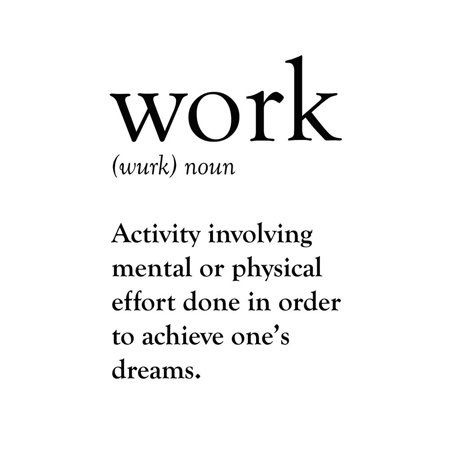
Work , that is mental or physical effort focused on a specific purpose or result, is generally considered serious and treated as such by most of us.

Humour and other lighthearted attempts to make the environment around work fun can be create tools for motivation and even increasing efficiency.

Enjoy Yourself

While work is a serious endeavour, with accountabilities and consequences in does not have to be painful and without joy.  Kidding around,  exaggerating scenarios even using sarcasm can all lessen the sting of serious focused intense and stress causing work.

When someone is poking fun at you accept it with the good humour it is more than likely intended and perhaps even return the salvo.  Make the mundane interesting.

This is not to say you shouldn’t focus on the task at hand or put the majority of your energy into your work, but not surprisingly practicing little humour, joking , spoofing, etc can be a real energizing activity enabling you to work even better.


Hello

World hello day, a secular holiday, was first celebrated in 1973.  Who knew?   I ask because this year is the first I heard of it and I have been around scince well before 1973.

The tag line of the day could be described as “Build your relationships, say hello to someone you don’t know. “ The stated objective is to greet at least ten people during the day.

Peace and Communication

The organizer of the day (Brian McCormack) had a simple concept in mind.  The key message was targeted to world leaders.  Use communication rather than force to resolve conflicts.

Interact with your fellow denizens of the world, get to know them.  Peace founded on personal communication by actually simply greeting others.

Dialogue can accomplish much more than force and the effects are immeasurably more sustainable.  The simple concept of getting to understand different perspectives lays a powerful foundation for getting along.

Israel and Egypt

Back in 1973 Israel and Egypt were at war.  Did their leaders even know each other?  A conflict based on historical and cultural basis between people whom were not even willing to greet each other, so sad.

My hat goes off to Brian Maccorkmack for a simple yet powerful idea that although it has not changed the world overnight the positive message has continued unabated each year.

So on Nov 21st and everyday say hello to 10 people.  Build empathy with others.  We are not alone. Share your joys and sorrows and they will share theirs.

Peace Out.

I’m Just a Melancholy Man

Based on their observation of human behavior the ancient Greeks defined four fundamental personality types; sanguine, choleric, melancholic and phlegmatic.

Being melancholy means that you’re overcome in sorrow,  that is wrapped up in sorrowful thoughts.  Your behavior conveys a powerful sense of thoughtful sadness.

Singing the Blues

Being depressed can become a state of being.   In the deep south of the U.S., the negro population was well known for creating the popular music format called the blues.

This naming of the musical genre was derived from the steady plodding of the melody coupled with lyrics that often told stories about hard lives filled with desperation and despair

This ethnic group was labeled (stereotypically) with hardships that led them to sing the blues.  Over time the stereotype has been broken and being a negro living in the United States does not mean a melancholy life is in store.

Changing Your Life

Singing the blues does not need to be, nor should it be a permanent state.  From time to time depressing circumstances arise or in some cases like the aforementioned prejudicial attitudes applied to an ethnic group getting out of the state of melancholy seems insurmountable.

It is not.  You can overcome.  Work to embrace life to its fullest and bathe in the splendor of the universe.  Each of us can rise above our self inflicted or even externally forced melancholy.

The power to do so is within you.  If you feel like you have the blues, shake it off and get up and boogie (a musical form that rose out of the blues).

Starting Over

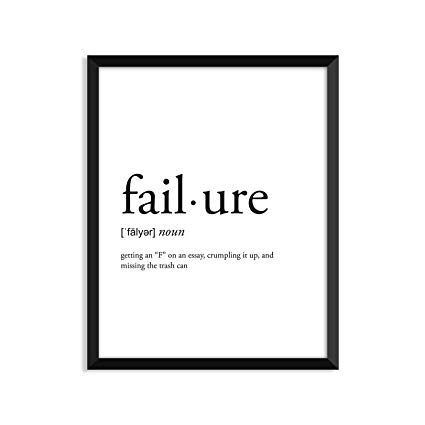
If you don’t succeed should you give up or start over.  Giving up smacks of failure and so from a motivational perspective many would say try again (in essence, start over).

From a conscious logical analysis both approaches could be best depending on the cost benefit situation.  There is a time when giving up is best and a time when starting over, perhaps with a different approach,will bring the best results.

Emotional Baggage

Many of our decisions are strongly influenced by our unconscious thought processes.  In fact a number of behaviour studies have shown were we to focus exclusively on our conscious thinking decisions would often just not get made.

Our emotional bias together with our innate integrity and self-absorption will often form overriding influences preventing us from giving up.

From a pure logic perspective this can cause us to persevere beyond what a reasonable analysis  would dictate as appropriate.  Continuing when success is unlikely has little value but often we will do it anyway.

Keep Your Perspective

The impacts of failure can be amplified when you continued to strive against insurmountable obstacles with little hope of overcoming them.

Lack of success is not necessarily bad.  Treating the need for a positive outcome as an absolute necessity can lead to  damage to your psyche.

Some failures are inevitable and treating them as such, even embracing them, moving on and starting over can be without reservation is sometimes the only good option.


Civil Unrest

The protests in Hong Kong, which were triggered by a proposed extradition agreement with China, have continued for months and there is no apparent end in sight.

Allowing the general population to influence change through freedom of expression is one of the greatest privileges any social group can be granted.

It is saddening to me when the privilege is abused.  However, that said, determining if freedom of expression is being abused is a subjective measure at best.

Managing Unrest

The Hong Kong protests raise a very important question in my mind.  How much force is acceptable to prevent violence, looting, and property damage?

In this case, the Hong Kong protesters argue the police are overly abusive.  Beyond the original purpose of the protest to change the proposed extradition changes, now the rationale is often cited as a demand to end police brutality.

From the perspective of the police and governing officials,  lawlessness should be punished, albeit according to reasonable standards.  Does violence by the protestors justify violence in return by the police?

When Civil Unrest is Not Civil

One definition of civil is showing good manners and being polite.  The other meaning refers to something related to citizens (the general population).

When civilians are not civil the authorities can feel obligated to react.  The results are usually disturbing and no one really wins.  Unfortunately the Hong Kong protestors did not stop when they made their point.

What comes next could be very unfortunate.  Civil disobedience can only go so far before it lead to violence and pain.


Telling the Story

Often it is not the facts that dictate what others perceive, when you are relaying information to them.  Most significant is how you tell the story.

The way you filter the facts reflects your own views and is instrumental in dictating the way you will craft the story.  It is not so much about the facts as it is the message you want others to take away.

For Example

A colleague was recently sharing with me some stories he had heard about recent events in Hong Kong.  These were both first hand from friends and relatives living in Hong Kong and news feeds he had read.

The stories began from the protestors perspective and clearly portrayed  the police as being the instigators and at fault.

Typically in these types of conflicts the facts can provide justification for all parties actions.  The stories sounded rather one sided so I asked if he could relate some of the incidents from the police perspective.

My thought was this would result in a more balanced view overall.  I quickly realized how you tell the story often includes your personal bias.

Unsurprisingly I suppose, even when told from the polices perspective the villains of the tale were still the police.

Developing Conclusions

Regardless of how gripping or well told the story is probing questions based on an unbiased and balanced view can help you be more likely to come to a fair conclusion.

Remember we all relate facts as simple and straightforward without even realizing that they are coloured by our bias.  Often you need to do some work as the listener in order to get the accurate story.