Tag Archives: arrogance

Love Yourself

Some people show an excessive interest in or admiration of themselves and their physical appearance.  When this is the focus of their lives it can be deemed a sociopathic personality disorder.

Narcissistic behavior can vary from mild to excessive.  Like many things too much is not good but a little love for yourself, when measured and balanced is beneficial, in fact, healthy for you.

Being Comfortable in Your Skin

Confidence is a positive behavior, we are encouraged to exhibit.  When it begins to bridge on arrogance it is viewed as a bad and the further extreme of narcissism can be considered a personality disorder.

Maintaining balance in our behavior is key to creating positive perceptions of ourselves.  There is nothing wrong with being very happy with how you are (in fact it is a good thing).

One path to a happy and long life is being contented with who you are.  However,  taken to an extreme, loving yourself to the extent of all else is not good for you or others.

It’s About You – Sort of

The most important thing in your life is how you feel.  That is not to say it is “about you”  exclusively but rather about your joy and happiness.  Interacting with others and how they interact with you is a key part of this.

Intuitively paying attention to social norms is important so while being confident and strongly believe in yourself, pushing these traits to the point of narcissism is harmful not only to others but to you as well.

The backlash toward narcissistic behavior might not get through your shell but it will limit your ability to move forward and truly enjoy all life has to offer.

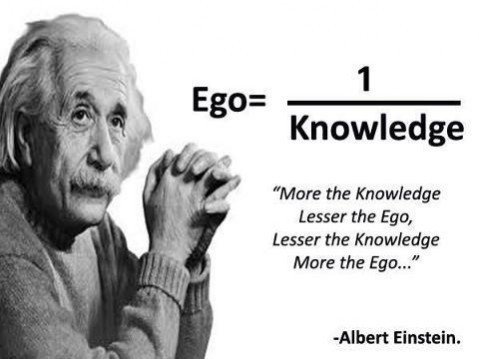
 

Your Demand is my Command

The use of power to achieve results typically requires arrogance and lack of empathy.  Almost exclusively the practice is focused on self-aggrandizement, i.e., the action or process of promoting oneself as being powerful or important.

This method can get results but often it leaves a field of dead bodies.  Ultimately it is not a sustainable way to operate.  For one thing, the bodies do run out eventually.

Motivation

Demanding others adhere to your wishes works when the perceived consequences are motivational.  Fear of bad outcomes (e.g., violence, lost job, smeared reputation) do motivate us, but it is limited.

Keeping your instructions limited to a small audience, told not to share, is another typical motivating technique used by the autocratic.

This works because those in the know want to stay that way and so are motivated to follow direction.  Sharing with others can lead to a power challenge and the leader does not want that.

Tactical

The approach, where a super leader dictates who does what and when with minimal (if any) collaboration is very tactical.  That is, constituting actions carefully planned to gain a specific advantage for the leader.

Not surprisingly the super leader approach is appreciated by many organizations, both social and commercial because it does lead to results.  Things get done.

The lack of sustainability and the fact that outcomes are not of high quality is often overlooked.   The overriding fact is “shit got done”.

Why me?

Confidence is a critical skill for those that aspire to be exceptional leaders.  That is not to say with a high level of confidence you will be a great leader, other behavioural skills are needed.

However, the ability to practice confidence with an optimal balance to other leadership attributes is a foundational behaviour without which you can never achieve greatness.

Believe

Ask not “why me”, rather accept, analyze and trust your ability to rely on yourself to succeed.  Each of us have the capability to achieve our goals.

For the individual,  a key first step to positive results is full confidence in yourself.  If you don’t believe in yourself or your abilities others will sense it.

Without confidence your leadership capabilities (no matter how well developed) cannot be effectively utilized as others sense the indecision and question your leadership.

Arrogance

To be effective confidence must not be interpreted by others as conceit, pride. self importance, egotism, etc.  While demonstrating  confidence is crtical skill for leaders it must be done in a balanced way.

The use of self awareness skills to ensure the behaviour is not negatively interpreted is needed otherwise the effect can be more detrimental and thus lead to negative results.

Why Not Me?

Ultimately, in any set of circumstances the  best mental approach to start with is “why not me” as opposed to why me.  This simple shift in thinking moves you from insecurity to confidence and can make a huge difference in defining your leadership abilities.