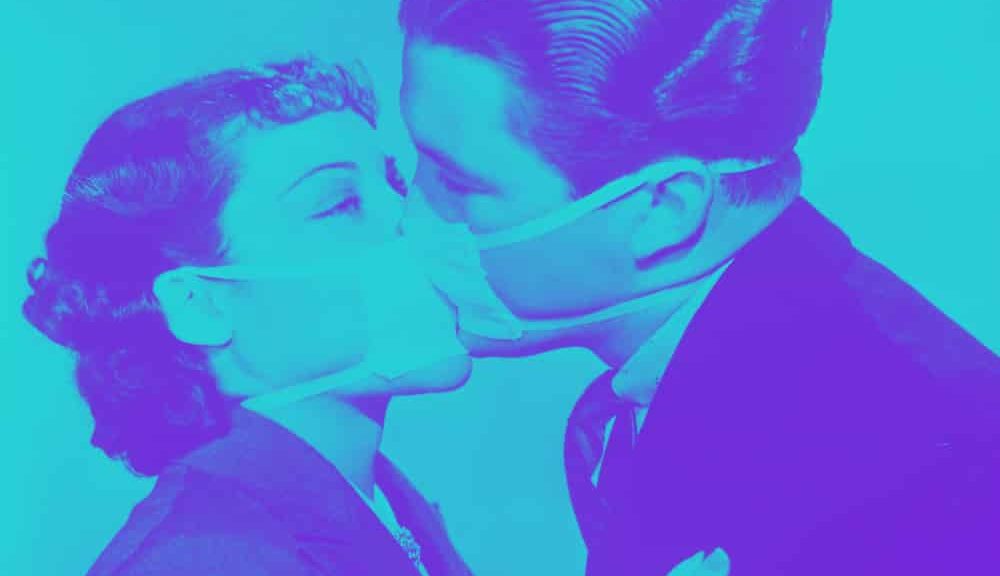
Pandemic or Disease

A pandemic is a disease that affects a large number of people over multiple countries. I wonder what is the metric defining a large number of people, thus determining a disease is epidemic versus just a day to day illness.

As more and more people around the world become vaccinated against the current covid pandemic, what is the point it becomes just another disease and extraordinary restrictions currently in place can be lifted?

Caution is Prudent

Personally I agree guarding against illness by cleanliness, distancing, masks, testing etc are all practices that make sense.  They  do mitigate (but not remove) the possibility of us catching a disease.

However, the question is what level of risk mitigation is appropriate when the likelihood and impact of the risk is considered.  Before the covid pandemic the practices most followed to prevent catching some illness were generally far less than current.

The level of caution around illness prevention has risen greatly over the last tow years.  This can be attributed to the increased risk of becoming ill (covid is very communicable) and the impact (covid can lead to death).

Acceptable Risk

A key question for me, of late, is what is the measure that will allow us to declare the temporary risk mitigation restrictions of the last two years no longer needed by society as a whole.

The rate of transmission and the severity of covid cases would seem to me to be reasonable measures.  The tricky part is what the exact metric would be, surely not  zero transmission and hospitalization, but if not that definitive than what?

My concern is not enough thought has been given to this measure or clear communication of the goal we seek.  Without drawing a bar we could just continue in pandemc mode for years or decades.  Does this make sense?
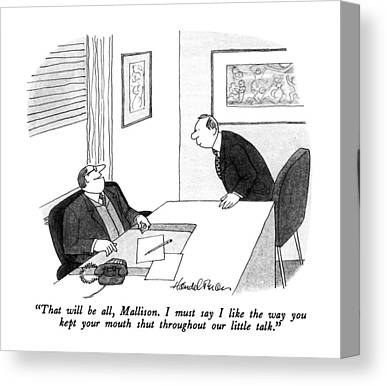
 

Sycophant Bias

One of the rarely acknowledged bias most of have to some degree is a preference for association with others who exhibit sycophant tendencies.

Those who behave with a tendency to serve others while improving their own lot (i.e., a servile self-serving flatterer) often do well in organizations often rising to senior leadership positions.

Those of us not subject to the flattering behaviour because we are considered to offer little to the persons self-serving side are usually not as enamoured.

How can they be in charge?

On occasion (more often  than you might think) I have interacted with the average competent person who has risen to senior leadership roles (or perhaps not even that competent) and wondered how this could happen.

Selection for key roles is merit based, is it not.  In fact personal bias to chose people we like is a very real factor when hiring or deciding to vote or support someone.

Lip service and perhaps some rationalization toward competency is applied but in reality the sycophant bias (liking people who suck up) plays an unconscious factor which many would deny, however it really can influence our decision making.

Tactical Approach

Selecting and promoting sycophants can be rewarding in the short term and as a tactical action somewhat effective.  Typically though longer term strategic expectations of leadership become very disappointing.

This result is reinforced over time by the self-serving nature of the incumbent.  You may like what they do but in reality it is not for your benefit, it is self serving and over time this becomes more apparent as they continue to thrive within the organization while you do not.

Caution toward acting on your personal bias to associate with people you like, it might not be the best approach.