
Tag Archives: emotional control

Are you Annoyed?

Sometimes we are angry or irritated.  This can be a mild form of annoyance to the more extreme case where a person could be described as being “fit to be tied”

Historically this expression relates to constraining a bull so that it can be handles.  Bulls are known for expressing their annoyance, or perhaps it could be called anger, in very physical ways thus the need for constraint.

Keep Control

When you are feeling annoyed this is often readily reflected in your behaviour and can result in less than optimal outcomes.  In these situations allowing our annoyance (although perhaps very valid for us to be annoyed), causes us to act more based on emotion.

Our feelings are real to us and a very important aspect of both our individuality and overall humanity however it can cloud our logical thinking processes leading to emotional satisfying but truly illogical behaviour.

Consider Outcomes

The best approach to using your annoyance in a positive way is to take the time to consider outcomes.   Acting precipitously based on what are powerful feelings can make you feel good in the moment, but the key question is “Will you regret it.”

I occasionally wonder the value of strong emotions as they can result in actions we question afterwards and perhaps even really regret.

However, there is real value in our ability to portray emotion for others to understand how we feel but this is best done in a way that does not lead to an adverse response.  Emoting works best when used in a practical way.

So next time you are annoyed consider the best way to use those feeling to achieve your goals and resolve whatever is annoying you in the first place.



Don’t Let Fear Overwhelm You

Our actions can be motivated by many factors both internal and external.  Our environment and other people can exert a strong influence
Fear driven behavior might not be the most appropriate, in these cases, it is best to take time to think through your options although this is often easier said than done given the presence of a sense of urgency.

Think

Some of our reactions to danger are an innate action and can be hard to control, in some cases controlling these is not the best option.

However, in many circumstances, taking the time to contemplate our fears will produce much better outcomes.  We cannot always control our external influences but how we respond is within our ability to manage, just not always easily done.

Allowing our fear or anxiety to take control of us and dictate our behavior might achieve acceptable results but in those cases, it is purely by accident.  Retaining control of your destiny at all times is a much smarter approach.

Choose

While sometimes external factors are out of your control, you can always choose how to react.  Overriding instinctive action is difficult and occasionally not appropriate but generally more satisfying.

Without a doubt, our choices are influenced by circumstances.  Picking the best alternative for any given situation, sometimes at the moment, is often overlooked due to expediency or just because the effort appears too great.

In reality, taking time to get it right is always a high-value proposition and worth the effort.  Avoid being stampeded by your fear, you won’t regret it.


Frustrationfrustration

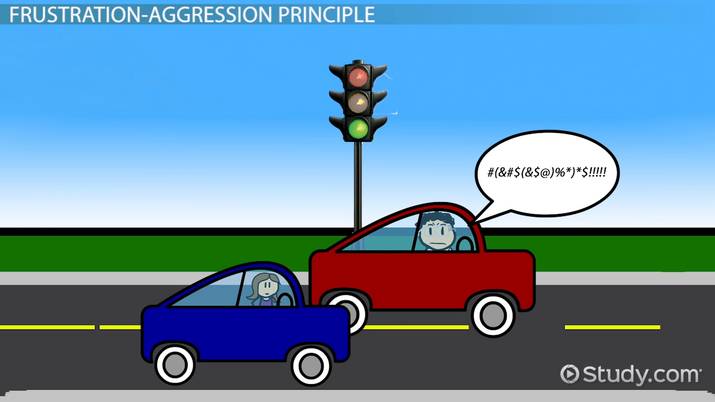
When you are the feeling  upset or annoyed, especially because of inability to change or achieve something,  your analytical abilities are impaired.

Your emotions can override a reasoned approach to overcoming the frustration and even make things worse.  I have always wondered about these kind of feelings, they don’t assist in issue resolution, if fact most probably the opposite, so why do they exist?

Involuntary

To a large degree frustration is an involuntary emotion.  Maybe st of us do not seek out frustration or find ways to become frustrated.  Rather it is something to avoid.

Pause and take deep breathes  is the best approach to frustration.  Like anger this emotion can lead to unseemly results and needs to be managed.

Getting into a conscious analytical mode is the best way to put things in perspective and plan an approach to deal with the frustration.

No one or thing can actually make you become frustrated.  Frustration is a mental and physiological state controlled by the owner of your minfd and body, i.e., you.

Given there is no benefit to frustration, why do we allow ourselves to get into this state?  As the fictional Vulcan alien from the popular Star Trek TV show would say, “ It’s not logical”.

Resist

Believing frustration to be both a negative and bothersome emotion is the first step on the road to resistance.  Basically, seeing no value should motivate us to avoid frustration.

Instead of allowing yourself to feel upset or annoyed change the way you view the frustrating circumstances.  Embrace them as an opportunity to rise to the occasion and overcome adversity.

Attitude

Your attitude, that is the way you feel about someone or something is typically translated to behaviour.  Very simplistically bad attitude leads to bad behaviour and vice versa.

Being conciously aware of your attitude allows you to exercise control.  Like most emotionally founded behaviours this is usually not easy.

However, the results can be highly rewarding, not just to you but those you interact with as well.  Using your attitude effectively can be a great tool to make friends and influence others (to quote the very insightful Dale Carnegie).

Step One

To take control of your attitude toward anything you must start with recognition that you have one (an attitude).  Is your perception of someone or something fully open minded (without bias)?

The answer is probably never.  Significant bias or percieved feelings about a person or thing constitutes attitude and affects how you act.  Mild bias usually does not.

Recognizing you are displaying attitude is not always easy as it is as natural a personal behaviour as thinking or breathing.  You need to give it some concious thought otherwise you will not even be aware of the message your attitude is sending others.

Attitude is a powerful driver of behaviour and can be used for good.  Unfortunately though, rarely can the power of attitude be harnessed if you are not in control (i.e, your feelings are in charge).

Think of the incredible hulk, when his attitude takes over he becomes big green and powerful but not always in full control of his behaviour.

In the comics we see he fights for control to try and behave in a heroic way, but often his attitude overrides his good intentions. This is very similar to real life.  Success requires some level of control.


Relax,enjoy

Most people allow themselves to become, angry, fearful, nervous, annoyed, upset and so on.  These emotions can elicit unpleaseant results.

For example, it is clear that some anger related behaviours can dissaffect others.  Often the outcomes can lead to regret, dissappointment or even internal anger for acting the way you did.

Unfortunately, it is most likely these behaviours cannot be erased.  The impact could be diminished or the situation resolved and it could be an improvement.

Most likely though the journey was not pleasent.

Why get Angry?

I am focusing on anger but the points I raise here can generally apply to any negative emotions.  External factors trigger the emotions, some very real, some only percieved.

I sometimes wonder whether the emotion I experience is totally witin my control.  Linked to this of course, is the question of whether the emotional experience was of value.

If it was fully in my control would I have stopped myself from getting angry (or annoyed)?  Would I have behaved more effectively as a result of tighter emotional control?

Managing how you feel

Managing how you feel, being aware of how others percieve you are in fact key life skills.  This is the principal at  the core of the iconic book by Dale Carnegie, “How to make Friennds and Influence Others”

In my view, a simplistic summary of the book is that it  covers behavioral skills you can use to ultimately manage your emotional reactions and the associated reactions.

It’s hard to practice these skills, but when you successfully avoid the unpleasant , the reward is great.