Tag Archives: emotional reaction

Frustrationfrustration

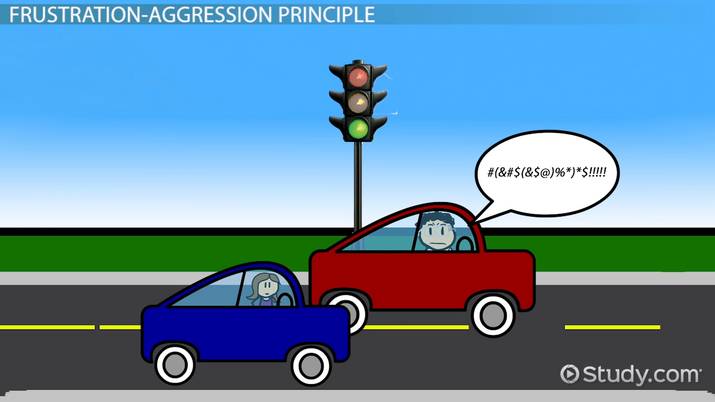
When you are the feeling  upset or annoyed, especially because of inability to change or achieve something,  your analytical abilities are impaired.

Your emotions can override a reasoned approach to overcoming the frustration and even make things worse.  I have always wondered about these kind of feelings, they don’t assist in issue resolution, if fact most probably the opposite, so why do they exist?

Involuntary

To a large degree frustration is an involuntary emotion.  Maybe st of us do not seek out frustration or find ways to become frustrated.  Rather it is something to avoid.

Pause and take deep breathes  is the best approach to frustration.  Like anger this emotion can lead to unseemly results and needs to be managed.

Getting into a conscious analytical mode is the best way to put things in perspective and plan an approach to deal with the frustration.

No one or thing can actually make you become frustrated.  Frustration is a mental and physiological state controlled by the owner of your minfd and body, i.e., you.

Given there is no benefit to frustration, why do we allow ourselves to get into this state?  As the fictional Vulcan alien from the popular Star Trek TV show would say, “ It’s not logical”.

Resist

Believing frustration to be both a negative and bothersome emotion is the first step on the road to resistance.  Basically, seeing no value should motivate us to avoid frustration.

Instead of allowing yourself to feel upset or annoyed change the way you view the frustrating circumstances.  Embrace them as an opportunity to rise to the occasion and overcome adversity.

Surprise

Circumstances occur where the unexpected or unusual is suddenly forced on you.  Surprise.  Surprises can be both pleasant and unpleasant.

Managing yourself in the face of surprise is a critical skill.  Basically, this means controlling your behaviour to ensure something you will regret or be unhappy about does not occur.

Don’t React

A critical underpinning of responding in the best possible way to a surprise is to not react based on your sub-conscious. The trigger of surprise could elicit joy, fear, confusion, anger, frustration and the list goes on.

Allowing the instinctive reaction associated with the emotion to drive your behaviour can result in less than desirable outcomes.  While time to react appropriately may be short this should not limit you from undertaking a conscious analysis.

Stop, Think

The emotional reaction could be appropriate but it could just a well be harmful.  Freezing with anger might be far less effective than pausing, thinking out  a reasoned response and then executing calmly.

Not an easy task, particularly when in some cases response times really impact results and a slow response could be deadly.  However, actions reasoned out based on full awareness are much more likely to provide a positive outcome.

Generally surprises cannot be avoided, by definition they are unexpected.  That said another way of dealing with surprise, one that gives more chance of reponding effctively, is to consider the risk of an unexpected event and plan how to mitigate it in advance.

Whether through planned risk mitigation or pausing, thinking and planning it is generally best to control your reaction as oppossed to just …….. well, reacting instinctively.