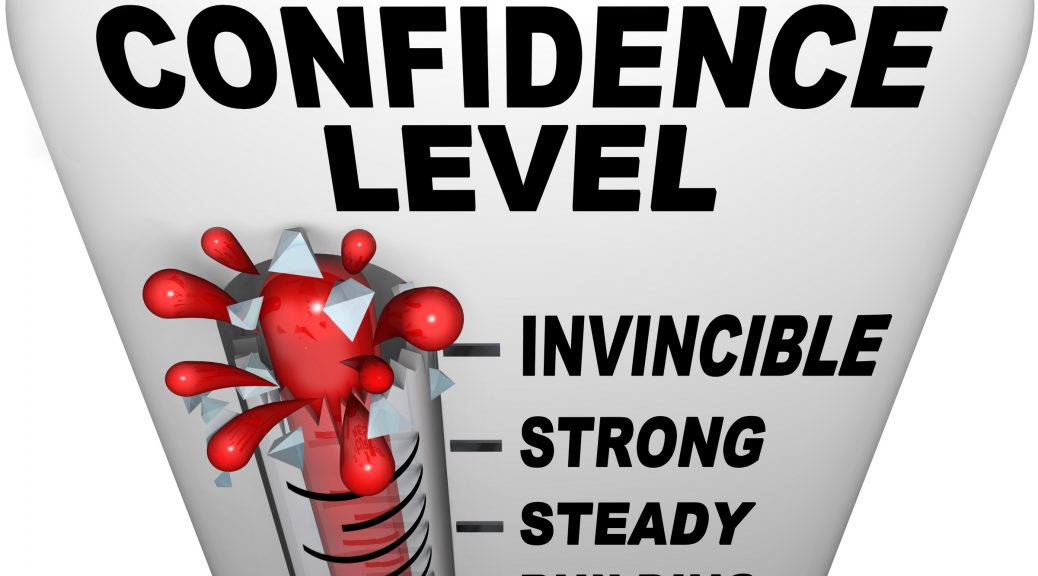
A typical quality of those we consider leaders is their demonstration of self-assurance which arises from self-appreciation of their own abilities or qualities.
This confidence is projected as a personal core value and the underlying behaviors enable us to hold a feeling or belief that one can rely on them; firm trust.
Over Confidence
While confidence is an important attribute for those that seek to guide and support others (and themselves) it is a fine line. That is to say, overconfidence can lead to disastrous results.
Trust is a foundational factor, without which others cannot have confidence in you. If they don’t believe the outcomes can be relied on however self-assured you project yourself to be will, in essence, be for naught.
Projecting confidence and not delivering could result in more than disappointment. Those who trusted your judgment could lose whatever time, effort and currency they invested in you.
Ultimately there faith would be eroded and this could have a long term effect on how others perceive you. Be very cautious about showing false confidence.
Proceed with Certainty
Confidence is about how you behave. Being able to behave with certainty should be founded on facts. Before acting with a high level of self-assurance, showing that you believe in yourself, be sure you have cause to do so.
True confidence is not a gamble. It needs to be based on certainty to be effective. Certainty is derived not from you just believing a thing to be so but rather knowing it to be the case.
If you don’t know, make that clear to others. You can still be confident about searching and finding the answers but don’t guess them.