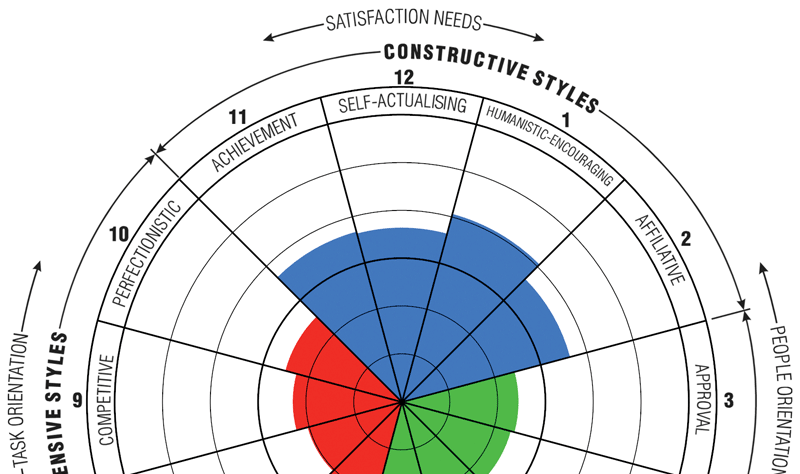
From birth to death everything we do is a form of behavior. The way you act is your behavior. It defines you. Your behavior is not in isolation and most often the context for behaviour interpretation is how you conduct yourself toward others.
Categorizing your behaviour
Would there be value in interpreting your behaviors in terms of the impacts they have? Do your thinking style and associated actions support personal effectiveness and satisfaction.
That is, what are the behaviors that define your lifestyle and what is their impact? Of course, this question depends on perspective. Your answer might differ from that of others.
Simply stated how you view yourself could be different from the way others perceive you. To get real value from a behaviour analysis you need to get both what you believe and what others think.
Human Synergisitics
The best way to get information about your behaviour styles, both from you and others is through an anonymous web questionarire crafted by researchers who have developed questions that can be translated to behavioural styles.
While no one can be 100% certain the results are accurate, if the consultants that administer the survey are supported by years of study and supporting data it is likely to have a high degree of alignment to reality.
I had the good fortune to have an assessment performed on me by Human Synergistics and I found the results very useful to determine behaviour changes I wanted to make and ideas on how to execute the changes. They do both lifestyle and leadership assessments.
Disclaimer – This post is not an endorsement of HumanSynergistics ( they are just an example I used out of familiarity) Rather the post is intended to get you thinking about the value of having your behaviours assessed.
That is, to help you understand what others think of you and adjust your styles if you want to.
