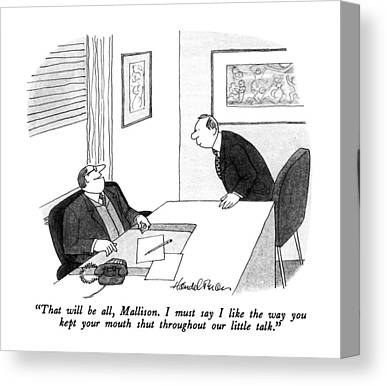
One of the rarely acknowledged bias most of have to some degree is a preference for association with others who exhibit sycophant tendencies.
Those who behave with a tendency to serve others while improving their own lot (i.e., a servile self-serving flatterer) often do well in organizations often rising to senior leadership positions.
Those of us not subject to the flattering behaviour because we are considered to offer little to the persons self-serving side are usually not as enamoured.
How can they be in charge?
On occasion (more often than you might think) I have interacted with the average competent person who has risen to senior leadership roles (or perhaps not even that competent) and wondered how this could happen.
Selection for key roles is merit based, is it not. In fact personal bias to chose people we like is a very real factor when hiring or deciding to vote or support someone.
Lip service and perhaps some rationalization toward competency is applied but in reality the sycophant bias (liking people who suck up) plays an unconscious factor which many would deny, however it really can influence our decision making.
Tactical Approach
Selecting and promoting sycophants can be rewarding in the short term and as a tactical action somewhat effective. Typically though longer term strategic expectations of leadership become very disappointing.
This result is reinforced over time by the self-serving nature of the incumbent. You may like what they do but in reality it is not for your benefit, it is self serving and over time this becomes more apparent as they continue to thrive within the organization while you do not.
Caution toward acting on your personal bias to associate with people you like, it might not be the best approach.
