Tag Archives: guide

In Command

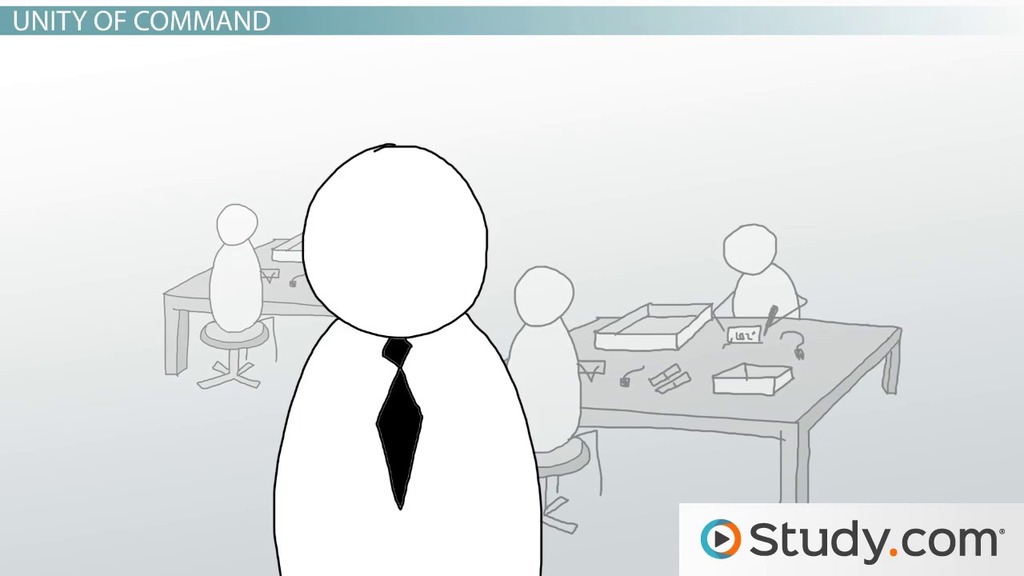
When you are granted a formal position of authority by official appointment or other formal grant of authority you are in command.  You may issue an order and expect compliance.

Leadership does not require the benefit of command and getting things done through the use of personal impact and influence skills  without a formal appointment or granted authority can be harder but sometimes is longer lasting and ultimately more effective.

Balance Command and Influence

Earning the ability to guide and support others through trust and collaboration is typically more difficult than issuing directives and expecting compliance based on the dint of command authority.

However, sometimes the direct approach is required due to urgency and priority but if overused the ongoing effectiveness of your command authority can be diminished.

A mix of command behaviours with more facilitative ones is often the best approach.  The challenge is finding the right mix for any particular situation.

Take Your Time

Taking charge should not be rushed and taking time to analyze options and work out the best plan for a given situation is well worth it.

Consider the audience and the nature of the goals.  These may be strategic or tactical objectives and the stakeholders could be mature or inexerienced and every flavour in-between.

Targeting leadership/command approach will typically provide better more sustainable results.


Back Seat Driver

Sometimes as a leader it is best to take the back seat.  This sounds a little odd given we perceive leaders to be out front.  In a sports event or a competition that is valid.  For example, the winning runner was in the lead.

Actively enabling a group to excel at what they do, not the personal achievement is the type of leader I refer to.  In the sports analogy this could be the coach’s role, they are not in front of the competition but their leadership is key to the win.

Why the back seat?

Personal motivation and initiative typically will result in more positive outcomes than mandated action.  It is intuitive that our drive to succeed will be higher if we fully buy-in to an action, rather than supporting someone else’s perspective.

The indirect leader working in the background influences our motivation building on our initiative. The concept is to encourage high performance based on a personal desire for achievement, not the leader’s desire for recognition.

It’s Not Easy

While leading from behind can produce great outcomes from a leaders personal perspective it is not as directly rewarding or highly recognized as doing it yourself. 

Consider the athlete that wins the gold medal because of the leadership of the coach.  The athlete is the star, but the coach laid the foundation of success – largely from the background.

A key attribute of top leaders is the personal satisfaction level they achieve even when not directly in the spotlight.   The recognition they crave comes from the success of others.