Tag Archives: caring

Freedom

I was listening to the folk-rock tune “Me and Bobbie McGee” the other day and got reflective and philosophical as a result of the lyrics (songs that reflect real-life can do sometimes do this).

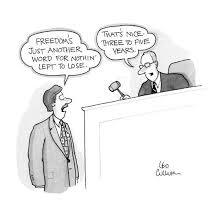
In particular, I was struck by the line, “Freedom is just another word for nothin’ left to lose”.   It is a bit of an ironic statement but probably accurate.

Felliniesque

Through the sixties and seventies, the made-up term Felliniesque (fantastical or surreal) was coined as a reflection on the quality of movies directed by Italian Frederico Fellini.

Frederico’s distinctive style blended fantasy and baroque images with earthiness while still highly intelligent and thought-provoking.  It was from one of his stories the song “Me and Bobby McGee” arose.

Kristofferson

In the late sixties singer-songwriter Kris Kristofferson wrote a song which he based on the last scene of Frederico Fellini’s movie “La Strada”

Kris wanted to create an emotional and moving ode to the sadness and despair apparent in the movie which was based on the simple concept that being free of emotional ties might be aspirational but ultimately it can lead to great sadness.
Changing your World

Sometimes the daily newscasts make me wonder if the world is a boiling cesspool of terribleness.  Worse is the fact I feel I am just an observer.

Contextually, personally, I am okay.  So the pain and strife are largely occurring elsewhere (outside of my realm of existence). It is interesting but does not affect me immediately or directly.

Basically, the news from around the world is just information which I can do little about.

Your World

Are we really isolated?  Do we just live in our own little box, observers to things outside our boundaries but not really participants?

Except in the odd, infrequent and unlikely cases where the worlds ugliness barges into our personal reality it is unlikely we will do more than observe and perhaps empathize.

Of course, happy unexpected events can burst into your world as well.  These are probably always welcome.

Helping Others

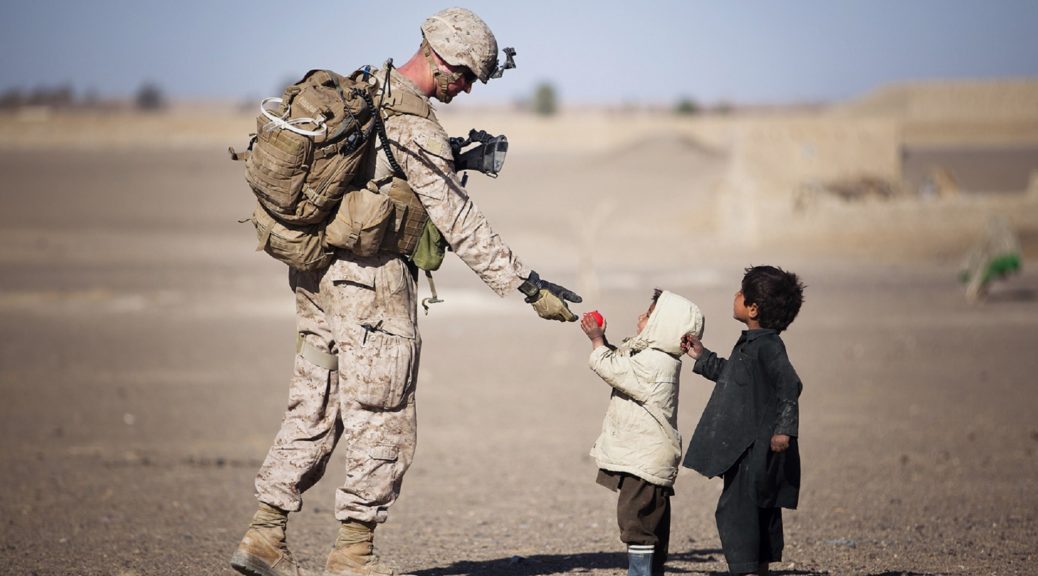
Taken in a worldwide context being the catalyst for change seems daunting and we are talking about things happening elsewhere affecting others – What can we do and really why do we care?

Helping others, (e.g., giving gifts, providing life-altering support) is actually usually very rewarding.  For most, if not all of us helping others gives personal pleasure (this applies to some extent but the extent varies by person).

Making meaningful change around the world on a macro-basis is probably not practical.  It may be a cesspool of terribleness, however;  on a micro basis, we all can elicit positive change and to some extent clean up that cesspool.

Do you care

Have you ever wondered why you behave the way you do?  This is not a simple topic with a multitude of variables driving your actions and motivations.

Today’s post I explore how desires (what you want, what you really, really want) affects behaviour?   Desire or wants occur on an emotional level.

Where does it come from?

Things you want are almost exclusively associated with things you care about.  If you don’t care whether rock and roll is playing on your radio you probably won’t want to buy tickets to a rock concert.

Other variables might influence you to buy concert tickets (e.g., going with a friend or an opportunity to win a prize) but you typically need to care about a topic to want to participate.

Shaping Behaviour

A key underlying driver of behaviour is how invested you are in a topic.  The more you care, the stronger the reaction, that is your desire to achieve and excel.

Obligatory Sports Analogy

If you are a rabid soccer fan you are far more likely to want your team to succeed.  The casual fan enjoys the play but is no where near as invested in the outcome as the enthusiastic fan.

If you are a player and winning really matters to you (you care a lot about the result) your playing behaviour is likely to be aggressive and highly competitive.

If exercise is your what you want, the result can be far less relevant, even irrelevant. Your play will usually match your level of emotional investment.

Knowledge Influencing Action

The next time you are aggressively pursuing something, think about your motivations.  Why do you care?  This approach can help you define a successful strategy to achieve your goal.

Why do we care?

When you care about something, there is a danger you will become hooked (like a fish on a line) and squirm and wiggle trying to get off the hook, right up to your last breath.

Given this line of thinking, not caring can be a real stress free way to travel through life.  Think about it.  I have an interesting true life example of employing the “stuff happens” attitude that illustrates how this can work.

Loosing Your Wallet

A gentleman I know lost his wallet in a restaurant.  It fell into a crack of the seat of a booth he was sitting in.

For myself and most people I know this would have resulted in panic, worry, fear, frustration, anger – basically a whole suite of strong but unpleasant emotions.

This gentleman simply accepted that stuff happens and went about the process of canceling his cards, reapplying for the other stuff and general replacing the wallet contents.

Weeks later, (well after the replacement work was completed) the wallet arrived at his home in the mail.  The restaurant cleaner had found it and using the address on the identification returned same (nothing was missing),

At this point my personal reaction  about what happened would be worn on my sleeve for all to see.  My gentleman friend simply let is slide off, smiled he got his money back and moved on.

The point, why care about something and get yourself in a tiff when nothing can be done and really there is no good reason to care about it.

Care when it makes sense

And the moral to the story is, if there is no reason to care don’t put yourself through the anguish.  Some things just are and need to be accepted.