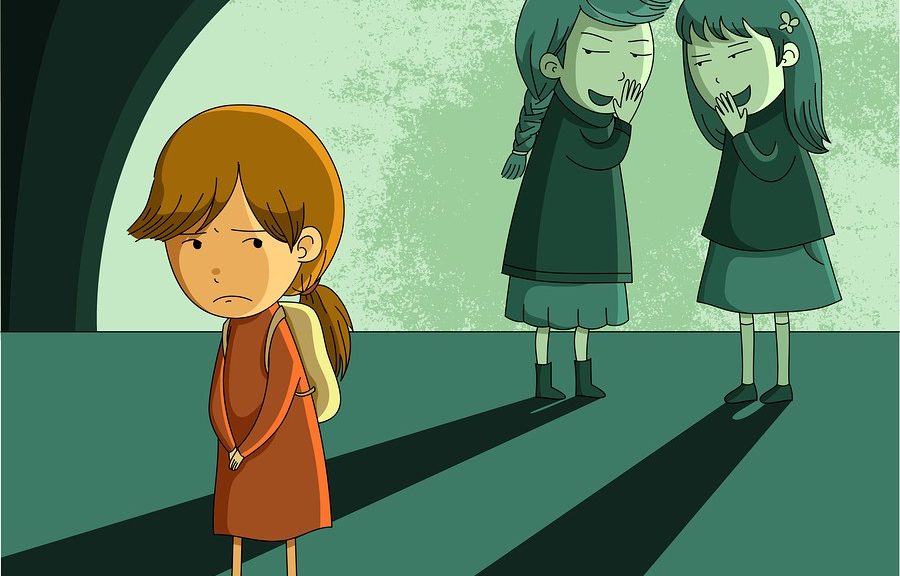
All our interactions with other people entail some interpretation of their behaviour. In real time we decide what their actions mean and how we feel about it.
Overtime we categorize people we regularly interract with by type. While a persons behaviour may vary by context out perception of their personality (go to behaviours) colors all our interractions with them.
Viewed by Extremes
In reality most people balance their behaviors across a spectrum from one extreme to the other. For example, moderating from flexible to stubborn so overall taking the middle ground..
Our classifications typically focus on one end of the spectrum or the other. That is, a person mght naturally fluctuate from one extreme to the other (e.g., flexible to stubborn).
We tend to classify them based on one end of the spectrum or the other. Our perception is usually set as a result of a few limited interactions.
Misconceptions
Unfortunately our subjective behavioural classification boxes those we deal with by type (e.g., agressive, unreasonable, meek, childish, etc).
Whilemost people practice a number of behavioural variations across a spectrum of options we often leap to conclusions based on our pre-conceptions of the behavioural extreme.
Unfortunately this can negatively affect the effectiveness of our interpersonal communications.
Judging and categorizing others can be helpful to us in streamlining the communication process, but it can also create a risk of misunderstandings.
When we do not listen fully or think through what we hear and see there is a real danger of poor and ineffective outcomes.