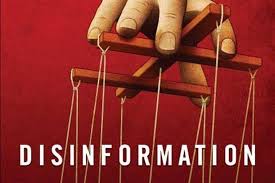
Misinformation is the sharing of false or inaccurate facts. It may be unintentional. When spread deliberately to deceive it becomes disinformation (i.e., a subset of misinformation).
Sometimes misinformation can consist of a very accurate statement but not the whole story. On the surface, the statement is easily believable because of the element of truth.
Relating what you know, which might lead to incorrect conclusions but not intentionally, is quite different from purposely only telling part of the story to create results that map to your agenda (i.e., disinformation).
For Example
You might be a contractor building a new home. Although the laying of the foundation went well and finished on time skilled worker and material shortages you are aware of are about to become an important factor.
In your status updates to the homeowners you elect to report only on the success, (i.e., the foundation) keeping the bad news about future prospects to yourself.
The desired effect is a positive response by the future homeowners and a potentially difficult discussion is avoided. This disinformation will work in your favour to a point. If you can resolve the issues before the next report all could work out fine.
If not it could be worse than sharing the full information up front. Disinformation can lead to declining trust and even punitive action if discovered.
Caveat Emptor
Technically this translates to buyer beware. I take license and extend it to information consumer beware.
Although those that practice disinformation are not of high moral standards or strong believers in integrity, they do exist and we need to shield ourselves from becoming their target.
Hence don’t readily accept all information shared with you. Questions, probe, analyze and check. To work disinformation needs willing recipients. You want to avoid being one.