Tag Archives: time constraints

Taking Time

The progression of time leads to change.  Something occurs in every moment and these occurrences represent a change.  Whether the activity was the similar to a past activity, or not, something changed.

For example, if you get up in the morning, shower, shave, dress the actions seem similar.  Each of these activities results in a change, for example from sleeping to waking state, from whiskers to clean shaven, from dirty to clean, although the activity itself and order of the activities might be unchanged.

Accepting Change

In fact the only way to freeze change would be to stop time, something that can be conceptualized but is unlikely to be actually realized.  Time marches on mercilessly.

We do of course have some control over the extent and magnitude of change we are comfortable with and can influence or impact the amount of change we are willing to accept. 

Like the daily march of time, change is inevitable and some things we must just accept, “it just is” and move on.  Being able to recognize when to accept and when to take action is critical to your ongoing peace of mind. 

Passive/ Aggressive

One common method to address change is to create the perception you accept it, while aggressively resisting through sabotage and other indirect practices

Open resistance is a far better practise both from the perspective of the challenger and the champion of the change.  Open discussion can enable the changes to occur with less anxiety and frustration by all parties while allowing for the potential of collaborative modifications.

The key is recognizing change is inevitable and resisting is a far less productive practice than participating. 

What is time?

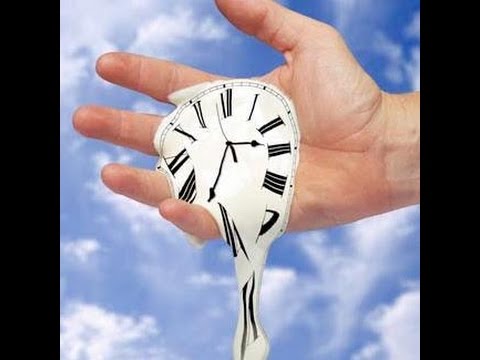
Time is a concept created by humankind and translated linguistically.  Taken from a common dictionary definition time is defined as “the indefinite continued progress of existence and events in the past, present, and future regarded as a whole.”

In fact, time is a construct created by humankind as a tool for control of behavior.

Without the concept, does time exist?

The Amondawa is an Amazonian tribe first exposed to outside influences in 1986.  Until then the tribe was, in essence, a force unto itself without any external influences.

Studies of the tribe determined the language included no concept of time.  Ideas like “working through the night” for example could not be expressed.

The association of time with events and process cannot be communicated using the native language of Amondawa.

Chaos!

Many would cringe at the concept of a world without time. How can we schedule our activities or work?  On the surface, the idea seems very anarchical.

On the other hand, is not time an arbitrary restriction?   In a sense wouldn’t the lack of measure (What time is it?, What should I do now?) provide a sense of freedom and lack of worry and stress that ultimately would be massively liberating?

Is Time Beneficial?

The Amondawa tribe lived (until the discovery by the civilized world) in pleasurable bliss.  The lack of time constraints and associated worry and stress caused no negative problems.

In our cultures, the measure of and adherence to time is a basic foundational behavior.  We are schooled in time from the day we are born, yet to what purpose?