Economics is an area of knowledge with a very broad scope that can be worldwide or regional and cover a plethora of activities although these are related to production, consumption and transfer of wealth.
Our regional economies link together in many different ways. A worldwide event like the current covid pandemic impacts those links heavily and affects all areas of the earth although regional response and thus associated outcomes can vary.
Resource Management
The main purpose for studying economic activity is the development of plans to manage economies in ways that will produce positive outcomes for all (theoretically speaking).
In reality, economics are also leveraged by many with a focus on personal gain. The study of resource management together with associated predictions and manipulations is considered complex and sold to many as being an opaque topic for experts.
Keep it Simple
On the whole economics is a complex subject however currently the majority of production and consumption around the world is governed by the availability and perceived value of government backed currency (some currencies having more weight than others).
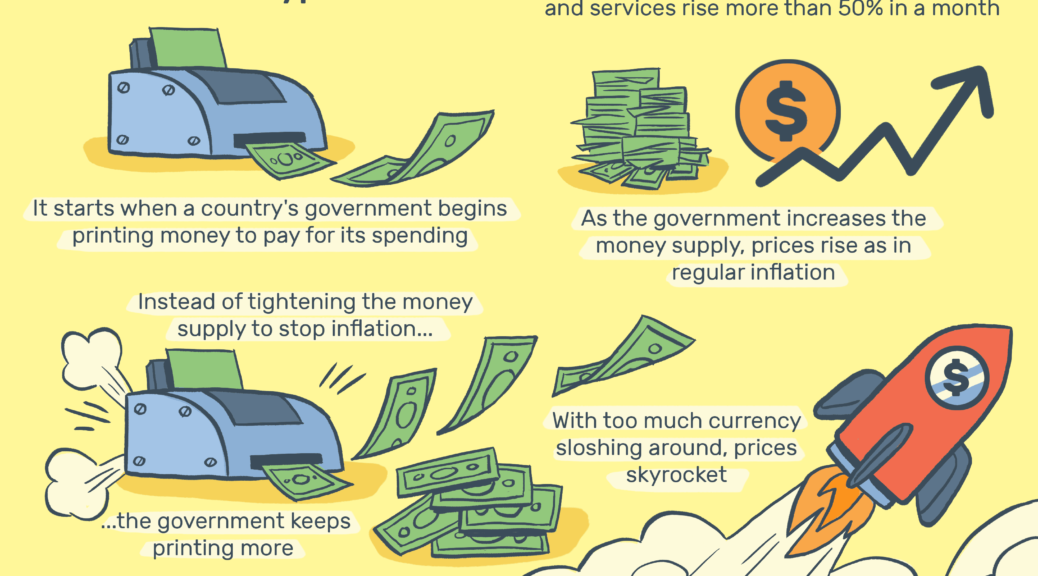
Simply put, regardless of other influences (e.g., covid) as long as currency has value manipulation of the money supply will allow governments to effect economic change.
And Therein Lies the Rub
Currency value is very much dependent on supply and demand. Simply stated too much supply will make currency valueless. Germany in the 1930’s presents a clear example of this when a wheelbarrow full of marks was needed to buy a loaf of bread.
In the event the money supply collapses because governments have printed money beyond the needs of demand it is likely economic focus will shift to goods and materials of critical value like food and water. The barter system could see resurgence.
What does the future hold?
The monetary based economy as we currently know it could well disappear because our governments have chosen to address the pandemic impacts on production and consumption by printing money.
I believe this is why bitcoin has become so popular of late , the supply is fixed and subject to an absolute limit. Hence when government backed currency becomes worthless and an alternative to barter is sought bitcoin may well be the answer.