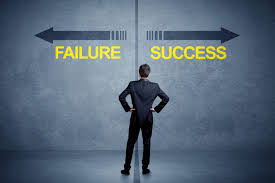
To know if you have failed you must first understand what it means to succeed. Basically failure is associated with a lack of success. If you don’t know what success looks like you can never know if you have failed.
This concept is really about objective setting or defining yours goals. Success requires planning. This starts with a clear understanding of what is to be achieved.
Measurable
The best way to measure success is through the use of facts, that is something that is known or has been proved to be true. Facts are objectively determined. It is or it isn’t.
Our goals can contain some subject components and while they may be valid aspirations determining success or failure can be somewhat judgmental.
For example, on entering a confectionary shop you charge yourself with selecting (and consuming) the best tasting chocolate in the store. Taste is a very subjective measure and as such, claiming success (or failure) can change for each person.
Defining Failure
Being able to know when you have failed (because success was clearly understood) is an invaluable skill. Without clearly believing and accepting failure we are unlikely to re-plan and try again, perhaps with a different approach.
In essence after undertaking a challenge you may just decide to live with the results (to your detriment) and ignore the fact you did not actually succeed, i.e., you failed.
Taking Action
Clearly understanding what you want to achieve also enables you to decide when and how to change course, perhaps modify the goal or even drop it entirely.
Knowing whether you failed or not is a prerequisite for this.
