Back in the 1940’s Allan Turing prophesied the computers would ultimately develop to the point humans would not be able to distinguish between a computer or another human.
This ultimately led to the annual Turing test where a set of judges interacted with humans and computers and had to identify which was which.
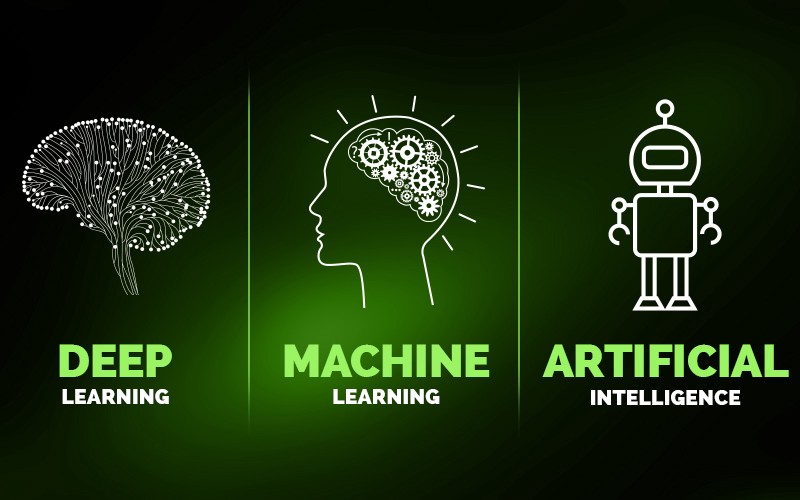
Ultimately this test is for artificial intelligence. That is, computer systems able to perform tasks that normally require human intelligence, such as visual perception, speech recognition, decision-making, and translation between languages.
Machine Learning
Although not specifically included in the definition, a key aspect of intelligence is the ability to learn. Currently, for the burgeoning artificial intelligence field, teaching computers is a slow process.
At this stage, the learning is still at the “rote” level. Self-initiated deductions are limited to programmed logic. The potential for the development of logic, to enable creative thought is still a way down the road.
Enhanced Computer-Based Programs
In my humble opinion, a lot of what is touted as artificial intelligence is just more efficient and faster review, analysis and recommendations from a large amount of data.
Creating new ideas and concepts, reacting in unusual or innovative ways are underpinnings of true intelligence for me that to date there has been little sign of us replicating, outside of science fiction.
Can humans develop equipment that replicates, even improves on human thoughts? Maybe but for me, the jury is still out.
Full disclaimer, this post was written by a living, breathing, thinking human. Or was it?