Tag Archives: keeping quiet

Silence

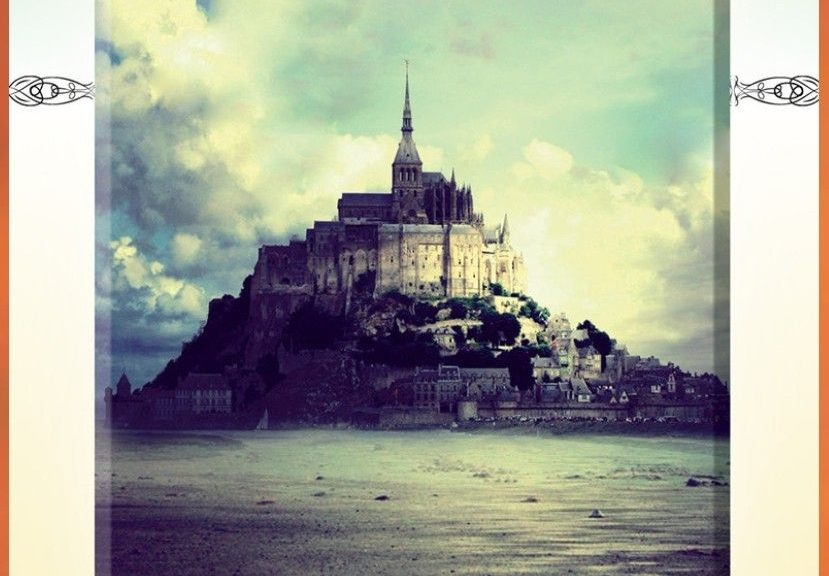
The absence of sound can create a void.  In particular, when associated with a situation where you are interacting with others maintaining silence can be a daunting task.

Taking a philosophical bent, personal silence can be a pathway to enlightenment.  It is difficult to listen when you are talking or even just thinking about what you are going to say next.

Contemplation

Deep reflective thought can occur without silence but noise can be a distraction and silent contemplation is often more effective.  This enables us to have a sharper focus on the object of our thoughts.

When interacting with others, first listening, then contemplating in silence before reacting is far more likely to result in well thought out responses which are more likely to have a positive influence.

Beauty in the Quiet

Although it is natural and human nature to want to express ourselves and share our thoughts with others this is not always the best way to get our point across (or even ever the best way).

It is not easy to be silent and wait for the best moment.  Sometimes there is a fear the opportunity might never come and our thoughts come bursting out.

Unfortunately, this can lead to emotional outbursts and poorly founded logic.   There is nothing wrong with quiet moments.  In fact, they are most often more beneficial than nought.

Fill the Void

There is no need to break the silence.  Be comfortable in the quiet moment even in the presence of others.  If they can be silent until there is something worth sharing, why can’t you.

Everyone benefits.
Freedom of Expression

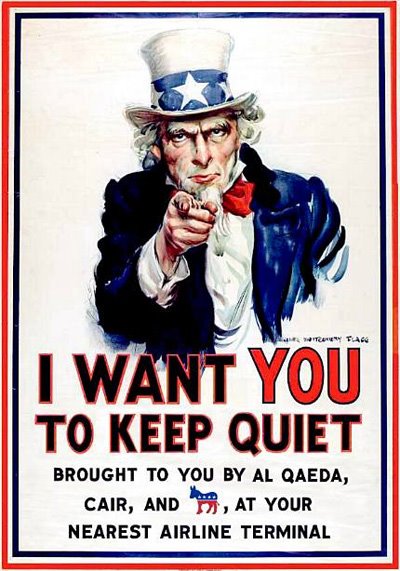
For residents of democratic nations, a key tenant is to enable everyone the freedom to discover, disseminate, and apply knowledge for the benefit of themselves and everyone else is freedom of expression.

This open exchange of ideas and concepts relies on enabling rigorous inquiry and the robust expression and discussion of ideas – within our local, provincial, national, and global communities.

Limitations

Unfortunately, unlimited ability to express any ideas leads to some challenges.  There will always be ideas considered by some,  or perhaps even everyone,  offensive, unwise, immoral, or misguided.

Our societies define these boundaries through democratically created laws.  We are thus limited by the law as to how far we can go.  We have freedom of expression but our elected officials are allowed to restrict it.

And there lies the rub.  Of course, it seems logical we should have some restrictions but in essence, these restrictions are censorship. Censorship intended for the good of all,  but still, censorship.

The suppression or prohibition of all or parts of information whether it be books, films, news,  speech because they are considered obscene, politically unacceptable, or a threat to security is unfortunately subjective.

A Walk Through History

Our societies moral perspective morphs over time.  For example in the United States circa 1950, swearing in public or discussing lewd topics (whatever that is) was considered the criminal subject to a fine or even jail time.

Today while swearing in public might still be frowned upon by some it certainly is not against the law.  In fact, the language in the entertainment industry is much less restricted than it was 50 to 60 years ago.

I applaud free expression and constantly question the boundaries, but recognize there are limits, it’s just not clear where they should be drawn.