Completing a task can be a rewarding experience. For example, after you mow the lawn, sitting in the yard drinking a beer, you happily ponder the results of your work thinking “What a great looking lawn.”
You are proud of the accomplishment, it feels good. What about the cases where you do not participate in the activity directly but are a key catalyst in getting the reaction started.
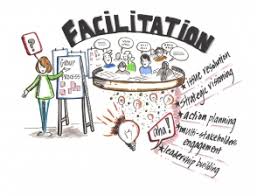
When the work you do focuses on helping other people deal with a process or reach an agreement or solution without being directly involved in the task, you are facilitating.
Making it Happen
Achieving a goal, particularly through the use of teamwork (i.e., collaboration) can sometimes require independent assistance. That is, help to focus on the goal from someone who is not invested in how the results are achieved, but rather focused on their achievement.
This is the role of a facilitator. Facilitators do not actually have the rewarding feeling of personally completing a task, however, in many cases without facilitation the task will not be completed.
Like the catalyst that initiates a reaction without actually participating the facilitator enables others to get the job done. A job that could (even would) fail otherwise.
Observe, Facilitate
Everyone can and should act as a facilitator when it is needed. This a a great way for groups to get things done. It is an attribute of high performing teams, any team member steps in to facilitate (seemlessly) when it’s apparent a liitle help is in order.