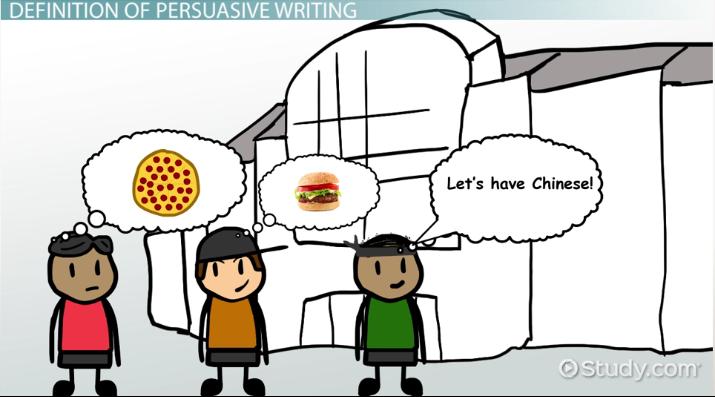
When you want someone to believe or act a particular way you are practising the art of persuasion. The intent of the persuasion activities is to convince them.
Often persuasion can be attempted unconciously. That is, we have something we want others to believe or do and so we behave accordingly, intuitively.
Argument
We can construct our arguments unknowingly. We recognize what we want to happen and so craft our message in a way that is pervassive, so ultimately another person will act the way we desire.
Sometimes our proposed action may have a weak justification and so we bolster our argument using a position of authority or threat.
For Example
The TD bank recently sent me an email requesting I attend at a local branch to update my personal information or access to my credit card might be restricted.
They gave me a deadline to do this by mid-January. Providing deadlines is a good way to reinforce threats. Also a standard marketing technique.
I suspect TD was trying to persuade me to come to a branch so they could try and sell me stuff. This is something most people resist so they added a veiled threat.
TD’s attempt at persuading me to subject myself to a sales pitch, without any real justification has only upset me to the point where I want to cancel my card.
Backfire
When we craft our arguments in support of our objective focused solely on our objective we can dissaffect our audience. This can reduce even eliminate our chance of successful persuasion.
This is a strong argument to think through how we will persuade carefully before proceeding.